What Should I Do First: Shutters or Yard Debris?
As we edge closer to hurricane season, many homeowners wrestle with the same question: Should I install my shutters first or clear out yard debris? It’s a simple question on the surface but touches on a lot of deeper prep strategy. When the stakes rise, knowing how to prioritize projectiles and home hardening means choosing the right prep sequencing.
Common Missteps: Quiet Season Complacency and NOAA Outlooks
We start with a common problem: complacency. After long stretches of calm seasons—sometimes lasting years—people get lulled into a false sense of security. That “quiet season complacency” can lead to waiting too long to prep or focusing on the wrong tasks first.
One big culprit is over-reliance on NOAA’s seasonal outlooks. The National Oceanic and Atmospheric Administration releases hurricane activity forecasts every year, which helps everyone from emergency managers to homeowners gauge potential risk. But these outlooks have their limits:

- NOAA seasonal outlooks predict potential activity—not exact storms, locations, or timings.
- They cannot tell you when a hurricane watch or warning will trigger.
- These forecasts often lead to overconfidence or delayed action when the outlook looks “quiet.”
Thousands of homeowners falsely assume “low hurricane activity” means they have time. Unfortunately, hurricanes don’t follow the forecast charts; Mother Nature writes her own script.
Peak Season Timing: When the Clock Starts Ticking
Hurricane season officially begins June 1 and ends November 30, but peak activity generally runs from mid-August through September. That’s when you see the most named storms form and intensify.
During peak season, things can change fast. When a hurricane watch hits your area, the clock accelerates, and preparations must move quickly. One key factor that homeowners miss is how municipal curbside yard debris collection often stops the moment a hurricane watch is declared.
This suspension of debris pickup is crucial because it forces you to handle yard cleanup early:
- Once the watch is out, municipal crews stop collecting debris to prepare for storm response.
- Yard debris left outside becomes a dangerous projectile in high winds.
- Procrastinating on debris removal can limit your options and increase hazards.
Yard Debris: The Hidden Projectile Risk
When I’m walking a yard during hurricane prep season, I’m always asking myself, “What can become a projectile?” It sounds simple, but leaves, branches, garden furniture, and even unsecured trash cans multiply the dangers exponentially.
Even small yard debris like twigs and loose leaves can block gutters or get sucked into wind tunnels formed around homes. Larger items like lawn chairs, grills, flower pots, and outdoor tools are verified missile hazards at hurricane-force winds.
Clearing your yard is more than just aesthetics; it’s an essential safety measure. It reduces damage to your property, your neighbors’ homes, and protects emergency workers post-storm.
Home Hardening: The Role of Shutters
Shutters and other openings protection systems are the southfloridareporter.com frontline defense for your home’s structural integrity. Properly installed impact-resistant shutters help keep flying debris from smashing windows, which can lead to catastrophic interior flooding and collapse in severe hurricanes.
But shutters can take time to install correctly, especially if you have a big house or custom-made panels. You don’t want to rush this important step either because poorly secured shutters can fail or themselves become hazardous.
Why Shutters Matter
- They protect glass doors, windows, and vulnerable openings from wind-driven debris.
- They shield against water intrusion caused by broken windows.
- They ensure your family has a safer shelter in place during hurricane conditions.
Prep Sequencing: Prioritize Projectiles, Then Harden
This brings us to the heart of the matter:
- Clear & secure the yard debris first. You want to eliminate anything that could fly and become a dangerous missile before any wind develops. This is the fastest way to reduce risk and ensure your neighborhood stays safer.
- Follow with home hardening measures like shutter installation. Once projectiles are cleared, you can focus on carefully securing your windows and home openings. This step is more technical and time-consuming but critical for overall safety.
Why This Sequence?
Because of curbside collection suspension triggered by hurricane watches, if you wait to remove yard debris until after the watch, many municipalities will no longer collect it, leaving you with a riskier yard and less time.
Also, clearing your yard first creates a safer working environment for installing shutters. You don’t want to be climbing ladders or walking around loose debris during prep—accidents rise in hazard-cluttered yards.
Detailed Monthly Checklists: The Prep Calendar
To cut through vague “be prepared” advice, here is a practical prep sequencing checklist by month leading into peak season:
MonthKey Prep Tasks June- Inspect and inventory shutters or window protection systems.
- Begin clearing yard debris including trimming weak branches and securing outdoor items.
- Check that lawn tools, trash bins, grills, and furniture are stored or anchored.
- Schedule professional inspection or installation of shutters if needed.
- Confirm curbside pickup schedules to finalize yard debris clearance before peak season.
- Secure or remove any yard items that can become projectiles.
- Finish major shutter installation or maintenance.
- Double-check yard and outdoor equipment secured—remember, hurricane watches can arrive quickly.
- Stay updated on NOAA forecasts but don’t let them delay action.
Final Thoughts: Don’t Let Predictive Uncertainty Delay Action
The essence of good hurricane prep is understanding that no forecast or outlook can perfectly predict your risk or timing. You must prioritize projectiles early by cleaning your yard and securing loose items before turning to structural home hardening. Taking this sequential approach avoids dangerous last-minute scrambles and keeps you better prepared.
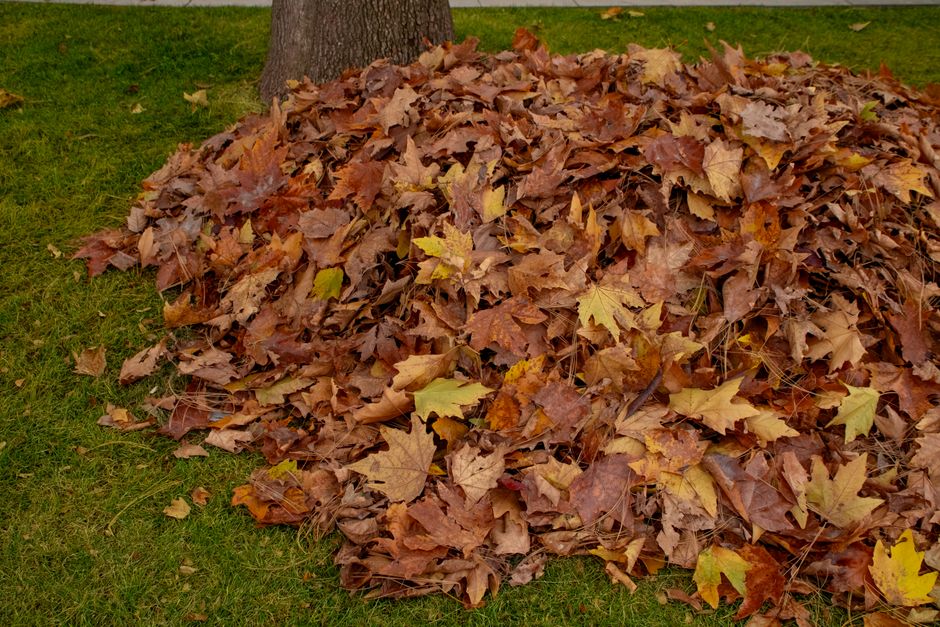
Keep your eyes on municipal debris collection calendars and be ready to act before a hurricane watch stops pickups—otherwise, yard debris piles up and turns into a deadly hazard.
And remember, shutters aren’t optional extras; they are an essential part of home hardening. But shutters alone won’t protect you if your yard is a shooting gallery of unsecured debris.
Start your prep now. Don’t wait until the NOAA outlook says it’s “a good season to watch.” A truly prepared homeowner acts early, stays alert, and follows a smart prep sequencing that puts safety first—debris cleared, then shutters locked down.